
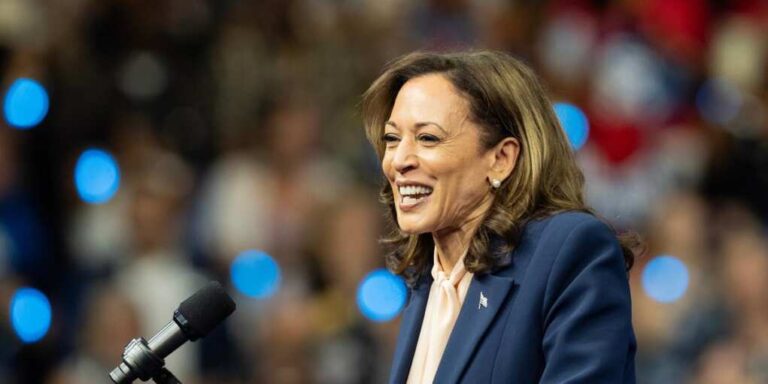
It’s been customary for decades: the outgoing vice president welcomes the incoming VP’s family into the U.S. Naval Observatory residence for a tour, easing the transition — especially for young children. But according to Vice President JD Vance, that tradition hit a brick wall when Kamala Harris refused to open the door.
Speaking on the Katie Miller Podcast, Vance revealed that he and his wife Usha had hoped to give their three children — ages 7, 5, and 2 at the time — a preview of where they’d be living for the next four years. To avoid political awkwardness, they suggested that only Usha and the kids come by. Still, Harris and her husband Doug Emhoff said no.
“I think it’s normal, customarily, for the outgoing vice president to show the incoming vice president’s family the house,” Vance explained. “Usha really wanted to show them… And they were rebuffed.”
The decision meant the Vance children never set foot in the home until after the inauguration. Instead, the family resorted to old photographs and diagrams, even borrowing a friend’s book about the VP residence from Cincinnati. That became their only preview before moving in.
What makes the snub stand out even more, Vance noted, was Harris’s public schedule. While she claimed she was too busy dealing with California wildfires to arrange a brief tour, she found time pre-election to host a Vogue magazine photo shoot at the residence — a move critics saw as self-serving.
This wasn’t the first time the refusal had been reported. Back in November, Usha Vance had specifically asked for information to child-proof the house for their young children. Multiple sources told CBS News that Harris refused even informal contact, declining both sit-downs and walk-throughs.
The Naval Observatory residence, occupied by vice presidents since the 1970s, has long served as more than just a house — it’s a ceremonial gesture of goodwill for one administration to hand the keys to the next with a personal touch. Harris’s decision not to participate in that gesture is now viewed by many as a petty parting shot.
Critics have seized on the moment as another example of Harris’s priorities. The contrast between denying a family tour and welcoming a glossy magazine inside raised questions about how she chose to spend her final weeks in office.
For the Vance family, the workaround was simple, if disappointing — a crash course in their new surroundings through pictures and words, rather than an actual visit. But the slight is now part of the public record, cemented by Vance’s own telling of the story.
As Harris settles into life after the vice presidency, this episode remains one more reminder of the sometimes frosty and partisan nature of political transitions — and of how small decisions can leave lasting impressions.